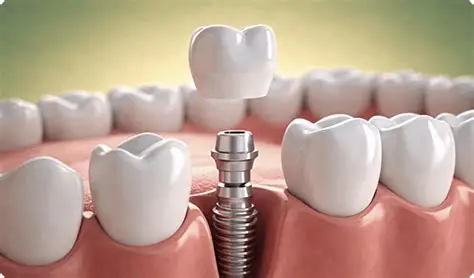
 Dental Implant
A sinus lift raises the floor of the maxillary sinus and places bone graft material beneath it. This increases the height of bone available in the upper back jaw, where bone can be thin after tooth loss.
It may be advised when implants are planned in that area and there is not enough bone height. Imaging is used to plan the procedure carefully.
Benefits
- Creates more bone height for implants
- Makes implants possible in suitable cases
- Based on detailed 3D planning
- Usually done under local anaesthetic
- Helps support long-term implant stability
What to Expect
- 3D imaging and sinus assessment
- Explanation of risks, benefits and alternatives
- Local anaesthetic or sedation
- Careful lifting of the sinus membrane
- Placement of graft material
- Healing and later implant placement
Frequently Asked Questions
It is a specialised surgical procedure but is commonly performed in a dental setting. Your dentist will explain the details and what recovery involves.
Swelling, mild discomfort and minor nasal bleeding can occur. You will receive instructions on avoiding blowing your nose forcefully and on medication.
In some cases yes, depending on how much bone is available. Otherwise the implant is placed after the graft has healed.