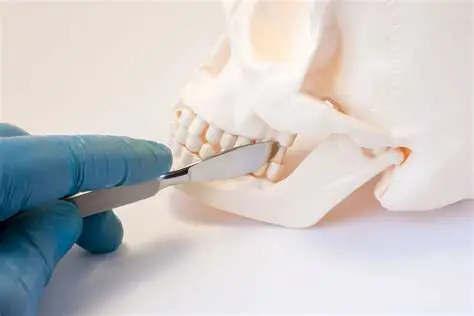
 Oral & Maxillofacial Surgery
Wisdom teeth are the last teeth to come through, and they often lack enough room. When they are impacted, partly erupted or angled badly, they can cause pain, swelling, infection, decay or damage to neighbouring teeth.
Your dentist will assess with an X-ray or OPG whether removal is advisable. The procedure is carried out under local anaesthetic, with sedation available in some situations.
Benefits
- Relieves pain and swelling around wisdom teeth
- Helps prevent infection and decay
- Protects neighbouring teeth
- Planned with detailed imaging
- Performed with anaesthetic for comfort
What to Expect
- Examination and OPG or 3D imaging
- Discussion of the procedure, risks and recovery
- Local anaesthetic or sedation
- Removal of the tooth, including bone removal if needed
- Stitches and gauze
- Aftercare instructions and review
Frequently Asked Questions
No. Only those causing problems or likely to cause them are recommended for removal. Your dentist will advise you.
Risks include swelling, bruising, dry socket, and rarely nerve irritation. Your dentist will discuss these with you beforehand.
Many patients rest for a few days, depending on the complexity of the surgery and how they feel.
Book Wisdom Tooth / Impacted Tooth Removal
Request an appointment with a relevant specialist.
Book Appointment